
Explore the history
Five ways into Japan's past, starting from the castles and landscapes around Nagoya.
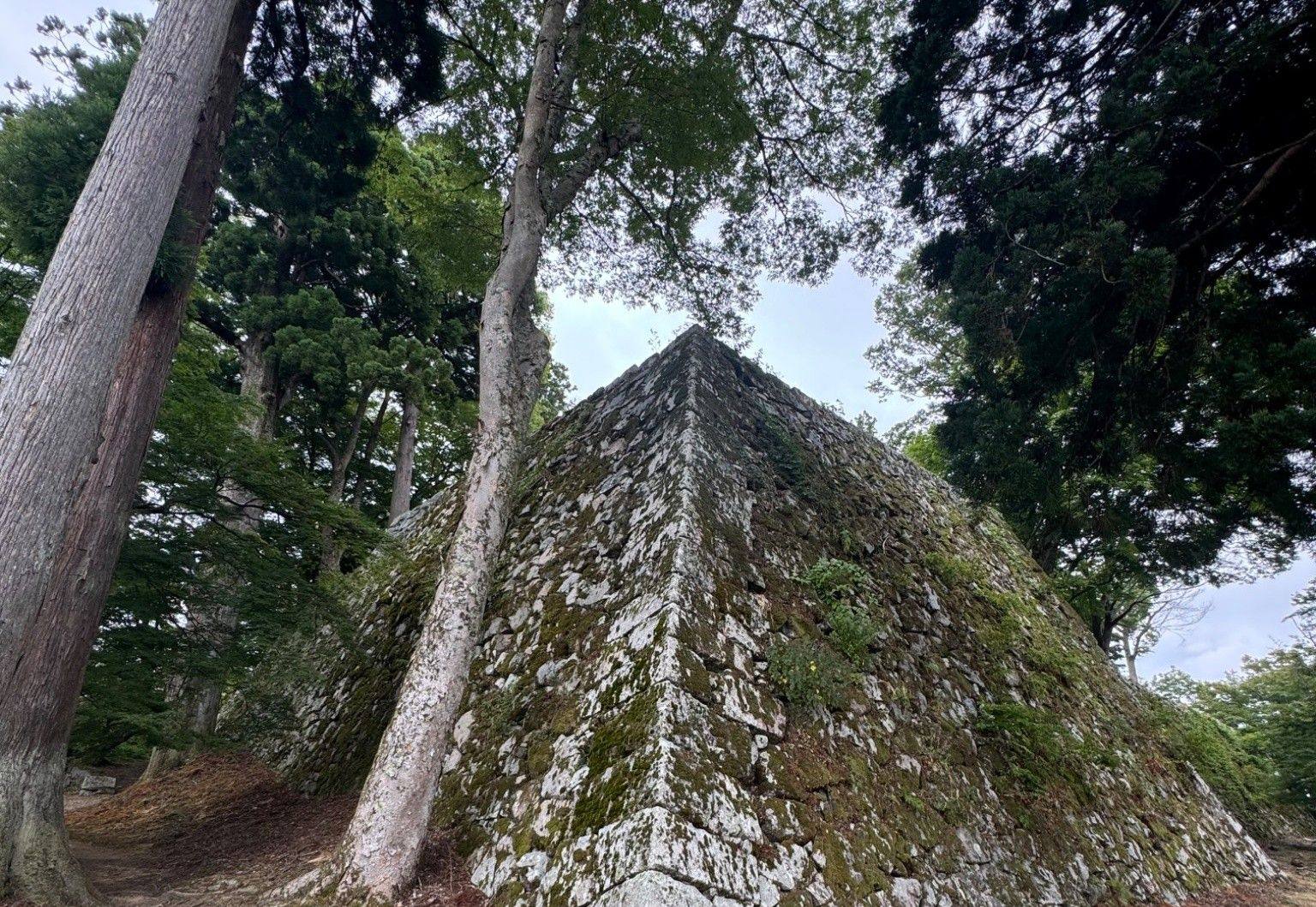
Japanese Castles
A Japanese castle is a whole system: mountain or river, stone walls, gates arranged to slow an attacker, and a town laid out at its feet. The keep is only the most visible part.
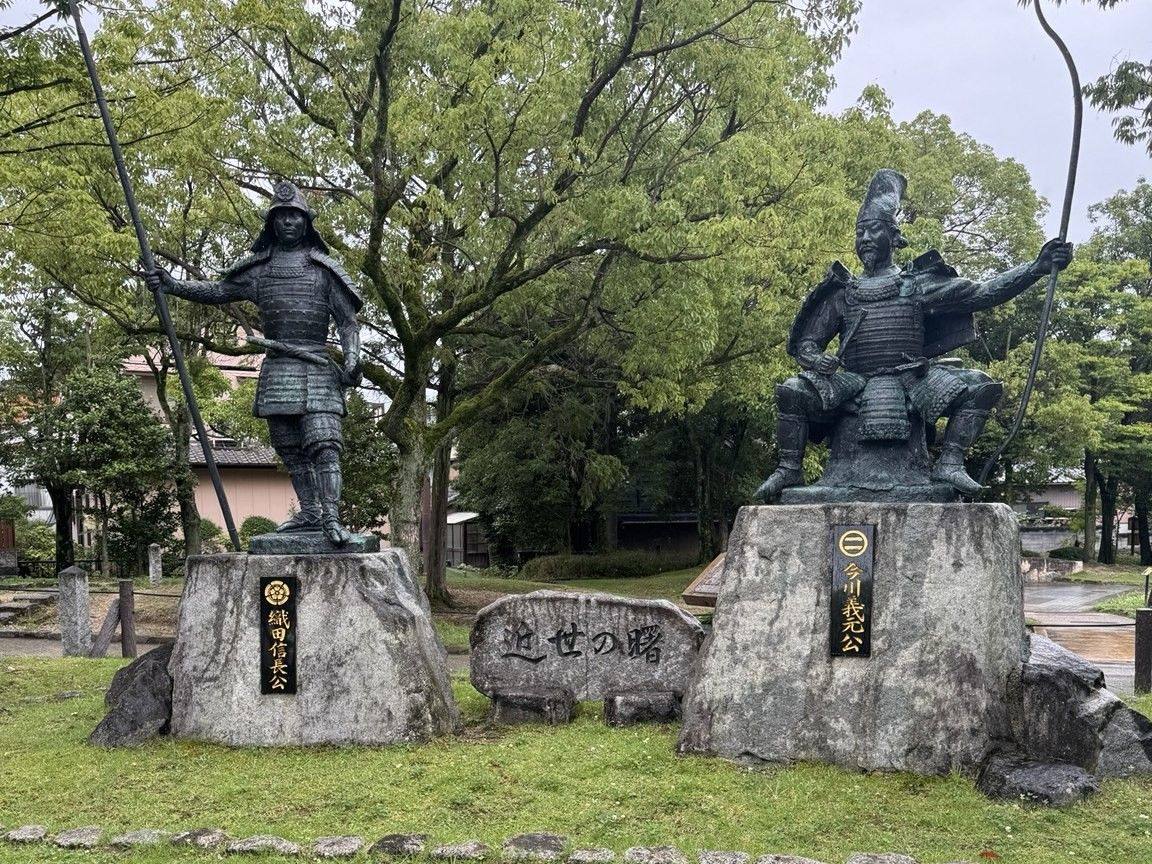
The Sengoku Period
For roughly a century after the Ōnin War of 1467, central authority in Japan collapsed and regional lords fought for survival. Aichi, the old provinces of Owari and Mikawa, was at the centre of how that age ended.
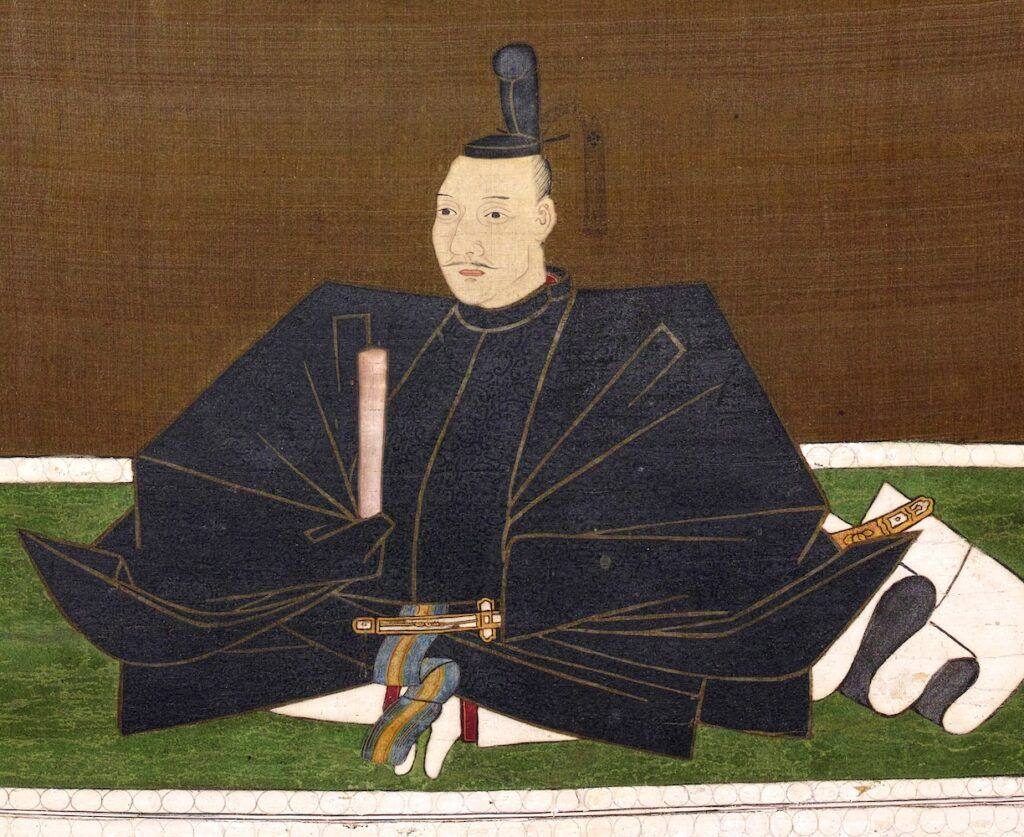
Historical Figures
Behind every wall is a person who ordered it built. Nobunaga, Hideyoshi and Ieyasu are only the best known. The builders, the retainers and the families who held a castle for generations matter just as much.
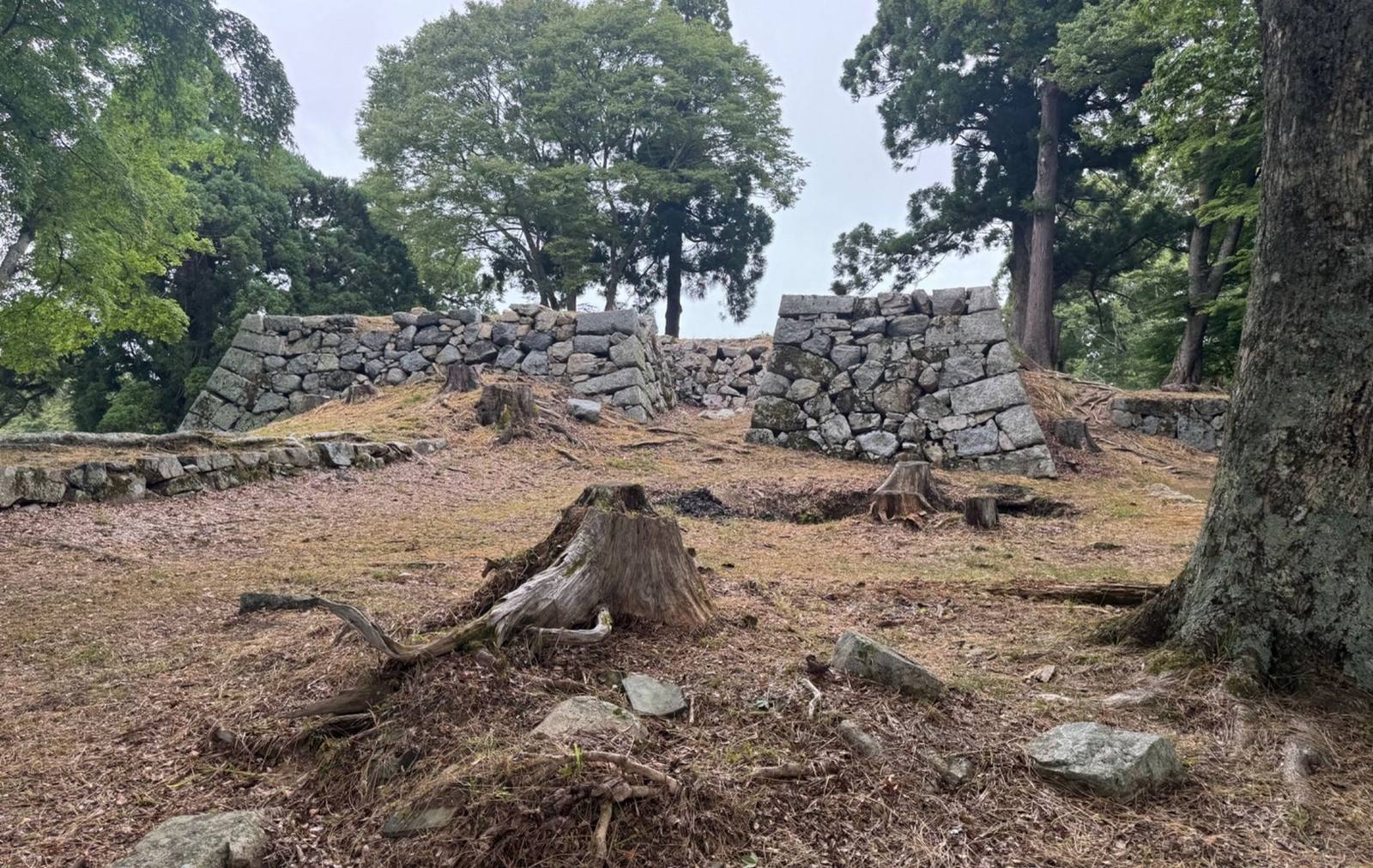
Battlefields & Forgotten Places
Many of the places where Japanese history turned are now fields, suburbs or forested hills. Without context they are easy to pass by. With it, the landscape becomes legible.
Japan's Architectural Heritage
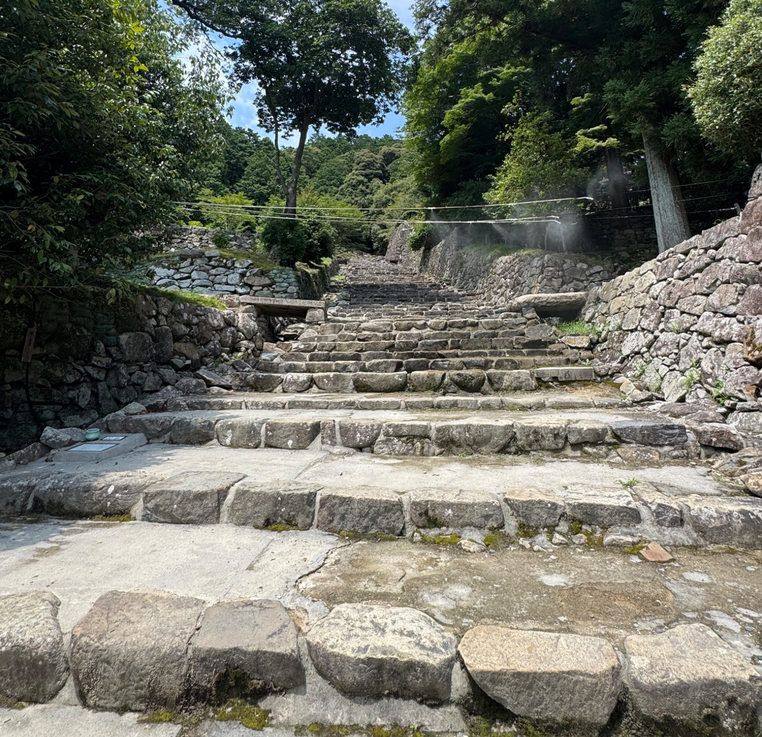
Stone walls laid without mortar, curved to shed attackers and earthquakes. Timber keeps assembled without nails. Roof ornaments meant to guard against fire. Castle architecture rewards close looking.