
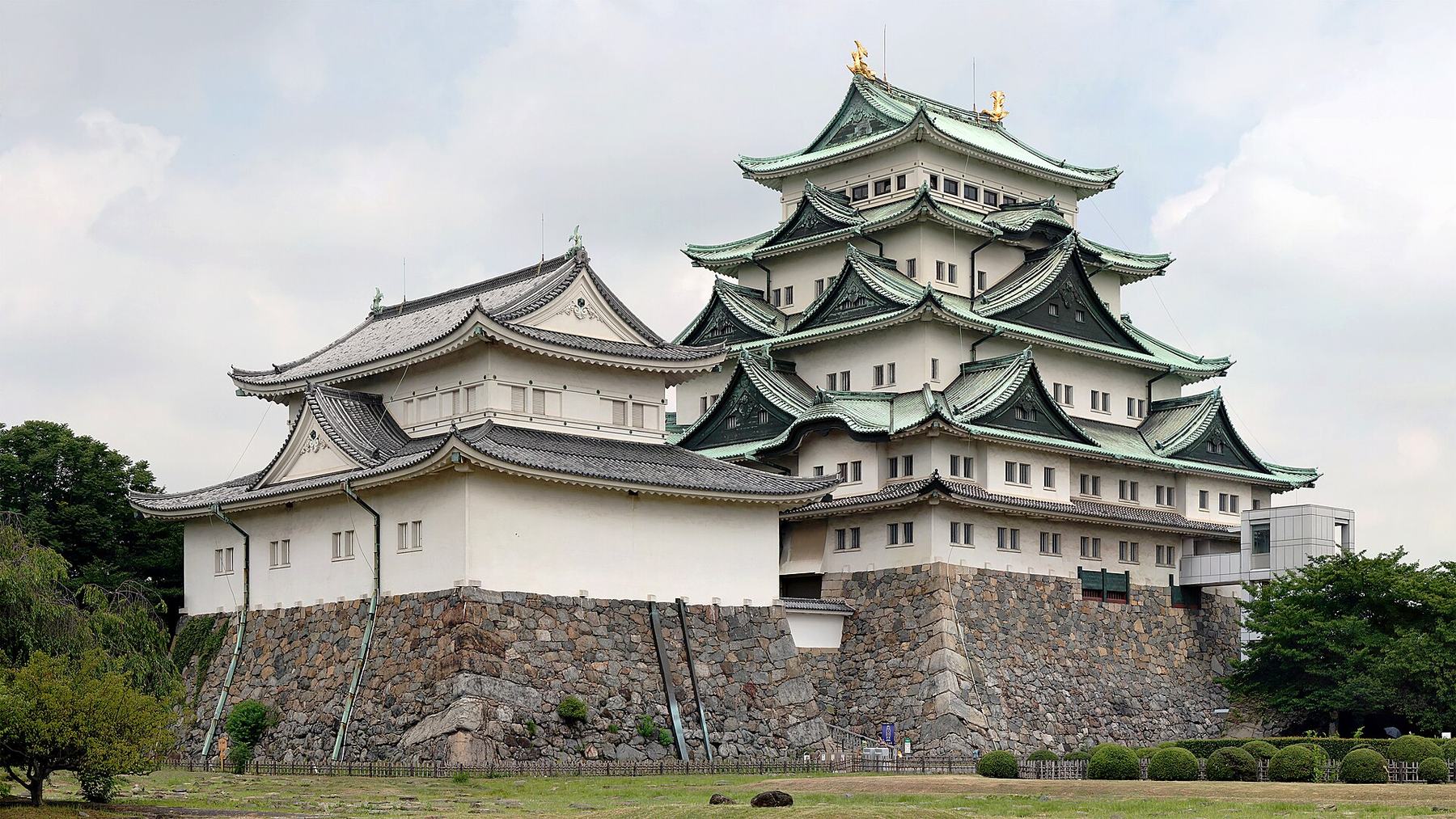
Nagoya, Aichi
Nagoya Castle Historical Experience
A detailed exploration of Nagoya Castle: its architecture, its Tokugawa history, its political purpose, and the stories surrounding its construction.
Nagoya Castle was never simply a residence. When Tokugawa Ieyasu ordered its construction in 1609, Osaka Castle was still held by the Toyotomi heir, and the new fortress on the Tōkaidō corridor was a statement of intent. The great stone walls were raised from 1610 by daimyo from across western Japan under the shogunate's orders, a project at once military, political and financial.
This tour reads the castle as a document. We look at the stone walls and the marks the daimyo crews carved into them, the surviving corner turrets, the reconstructed Hommaru Palace, and the logic of a castle built for Ieyasu's son Yoshinao and the Owari Tokugawa house that followed him. Along the way we follow the castle's later story, from the Meiji era to its destruction in the air raids of May 1945 and the reconstructions that followed.
Historical highlights
- Why Ieyasu built here, and why it mattered before the Siege of Osaka
- Tenka-bushin: how rival daimyo were made to build the walls
- Reading the carved marks (kokuin) on the stone walls
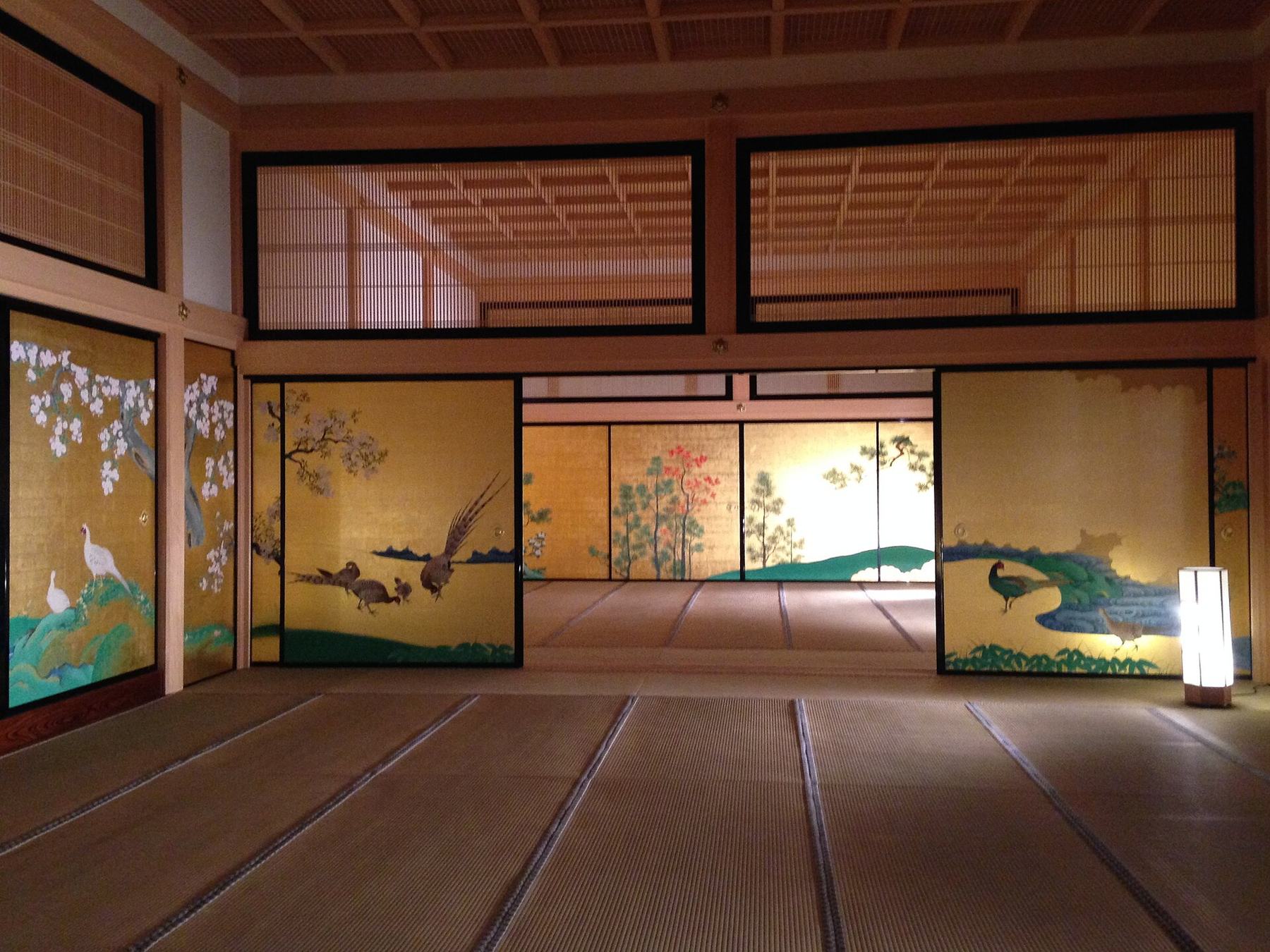
- The Hommaru Palace and the culture of the Owari Tokugawa
- The golden shachihoko and what they signified
- 1945 and after: loss, memory and reconstruction
What to expect
- A private tour for your group only.
- An unhurried walk at a conversational pace, with time to stop, look closely and ask questions.
- Historical context told through the places themselves rather than from a script.
- Mostly level walking with some gravel paths and steps.
Good to know
- The main keep of Nagoya Castle is currently closed to visitors; the grounds, walls, turrets and Hommaru Palace remain the focus of the visit.
- Castle admission fees and opening hours are set by Nagoya Castle and may change.
Read before you go
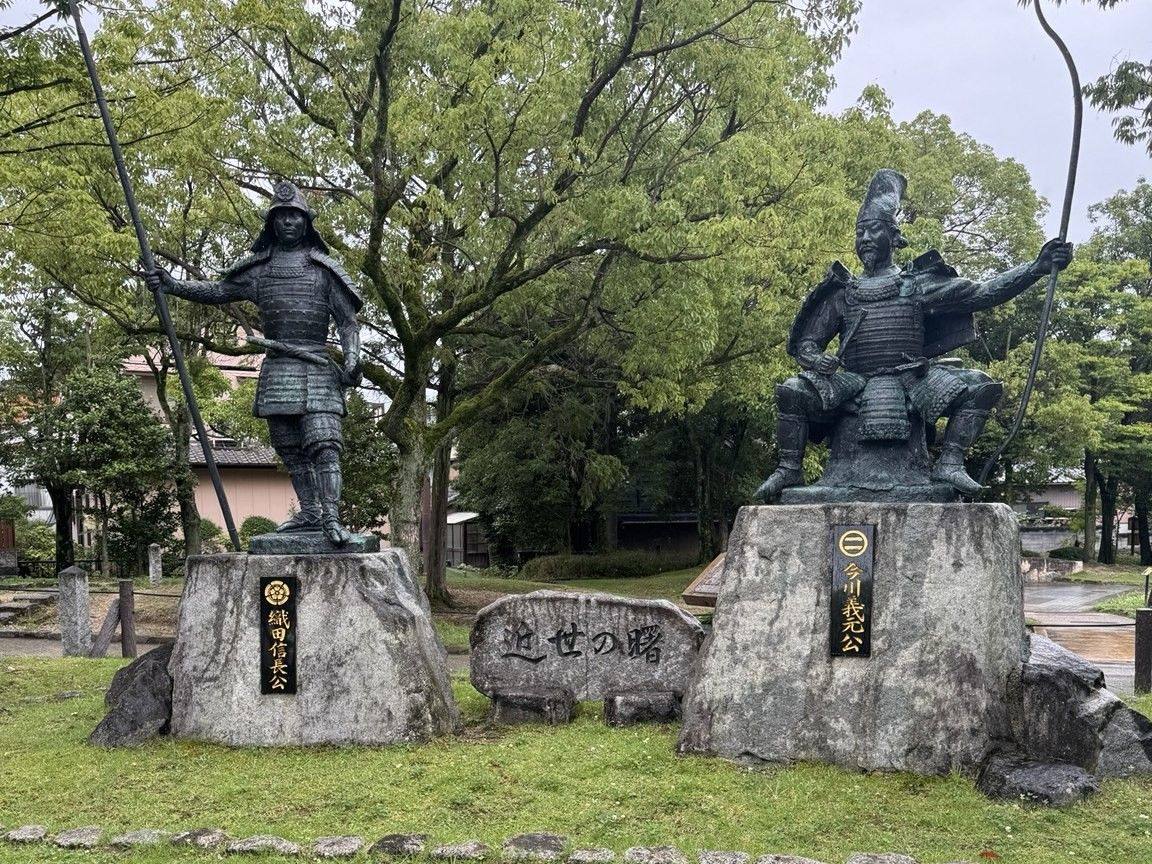
Battlefields1560
Reading OkehazamaTesting a Famous Battle Against the Ground
The first time I visited Okehazama, I went looking for the place where Imagawa Yoshimoto died. The second time, I went looking for a battle.
11 min read
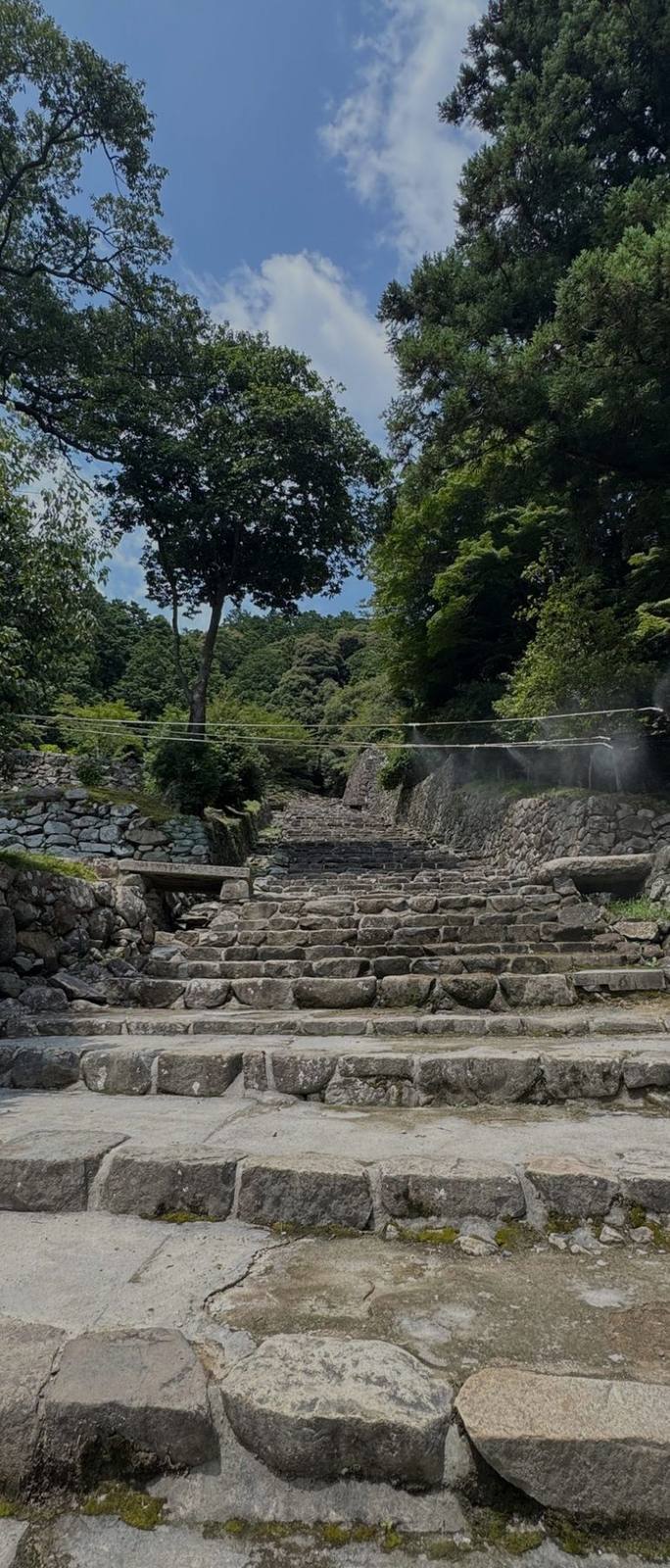
Historical figures1534 – 1582
Oda NobunagaThe Man Behind the Demon
A son. A brother. A father. A man people loved, feared, and remembered.
6 min read