
Behind the Mon · Episode I
Historical figures1534 – 1582Kiyosu, Komakiyama, Gifu, Azuchi
Oda Nobunaga
The Man Behind the Demon
A son. A brother. A father. A man people loved, feared, and remembered.
22 October 2026Noah Schuster · 6 min read
A face is not a biography
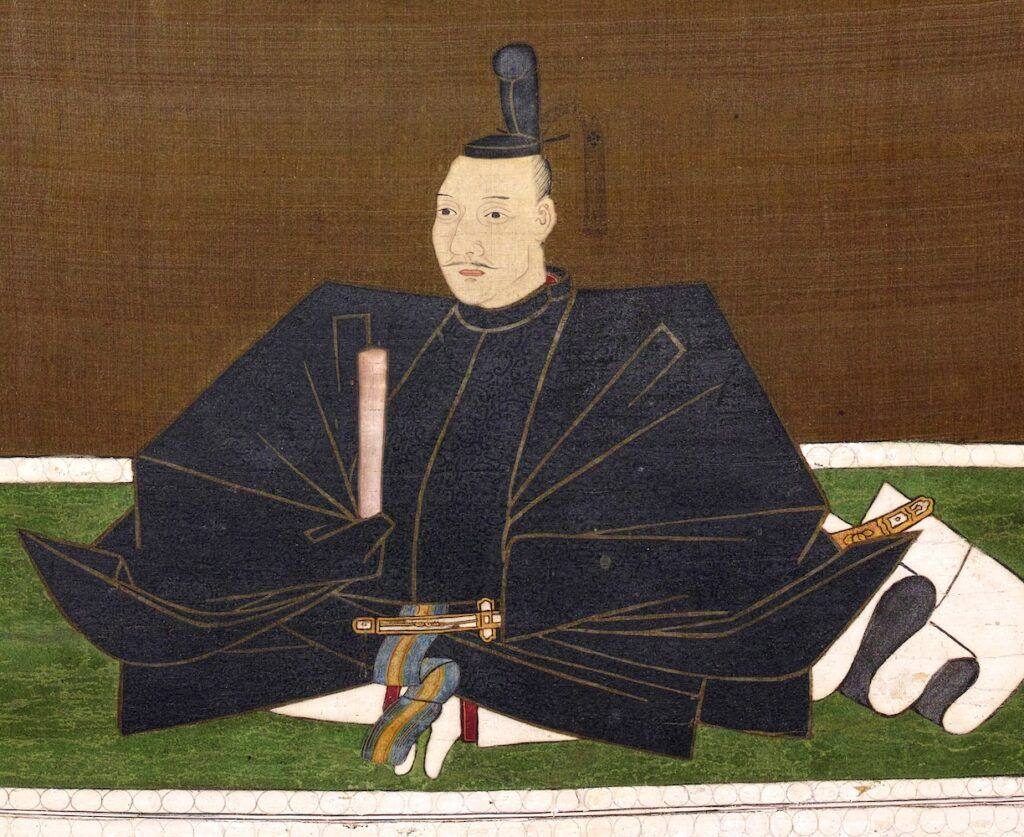
History remembers Oda Nobunaga through conquest, temple warfare, breathtaking construction and the betrayal that killed him. His family did not know him that way. His mother knew a son; his sister knew a brother; retainers knew the stakes of earning his favor.
To ask who Nobunaga was, we must begin not with an army on a map, but with the people forced to live with his choices. At Kiyosu, Komakiyama, Gifu and Azuchi, his residences changed as his power expanded. Each site offers a different doorway into the same complicated human life.
An authentic painting can show us how Nobunaga was commemorated. It cannot reveal whether he laughed easily, regretted a decision, or feared failure. For that, we must test documents, testimony and silence. 7
Kiyosu, 1555–1563: the son and the brother
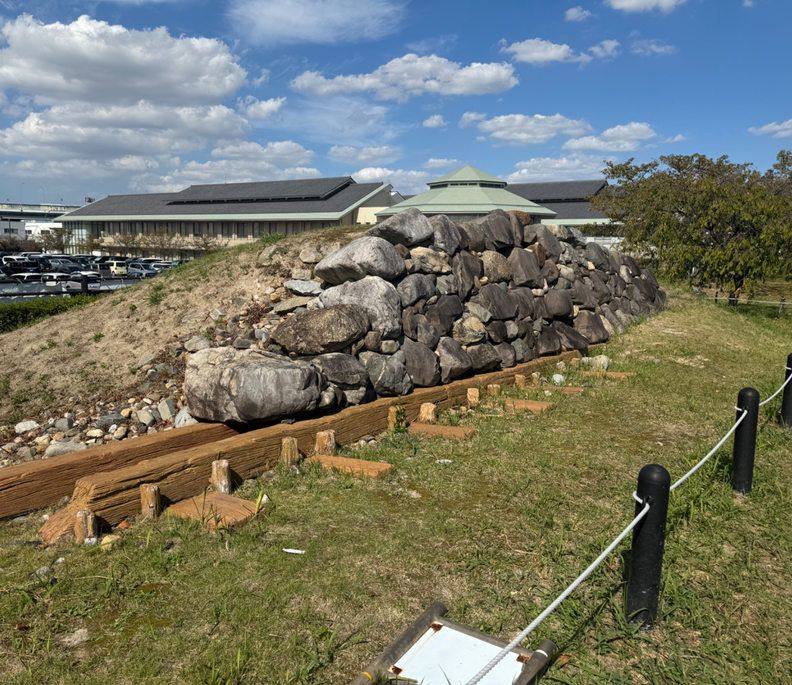
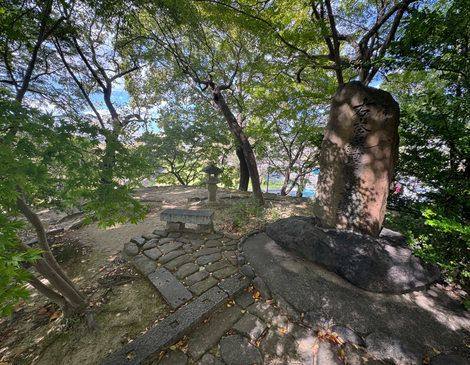
After moving from Nagoya's earlier Nagono Castle to Kiyosu in 1555, Nobunaga ruled from a household that was anything but secure. In 1556, supporters of his younger brother Nobuyuki rose against him. The Shinchō-kōki says their mother intervened after Nobunaga's victory and secured forgiveness for Nobuyuki. For a brief moment, a mother's request altered a matter of life and death.
The peace failed. Nobuyuki was killed in 1558 amid renewed suspicions of rebellion. We do not know what their mother said afterward or whether Nobunaga grieved for his brother. But family intimacy did not make the struggle less dangerous. It made the cost of succession personal. 1,2,4
Komakiyama, 1563–1567: leaving home
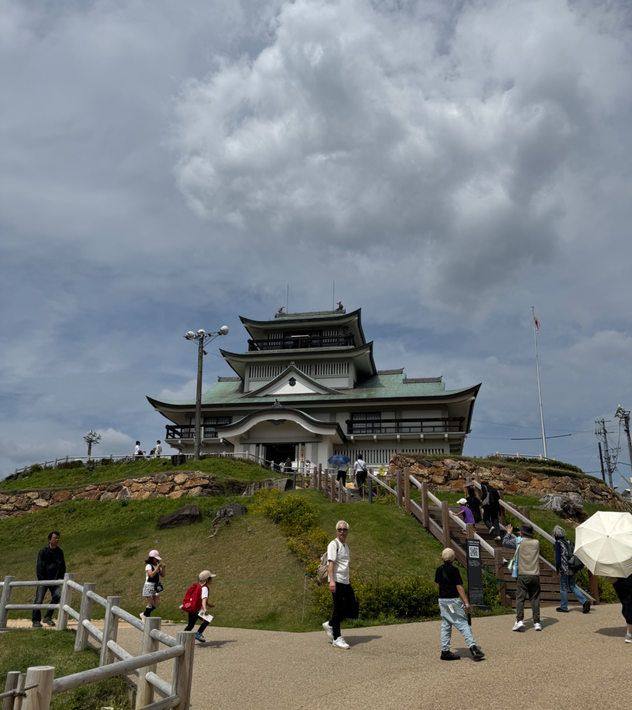
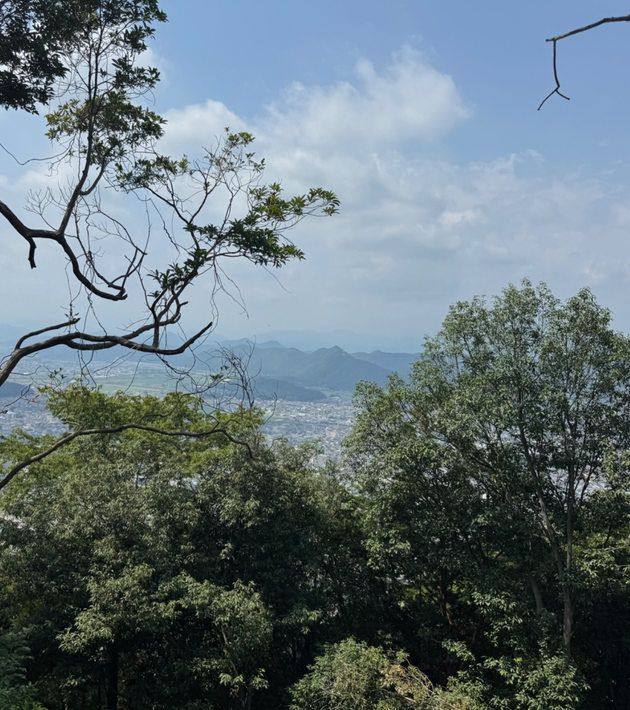
In 1563, Nobunaga left Kiyosu and established his residence at Komakiyama. He constructed a castle and laid out a town on the plain below. It was not a simple change of address: he was physically moving his political household toward the campaign in Mino.
Think of what relocation demanded of the people around him. Retainers, servants, craftsmen and families were not abstractions on a campaign map. They had places to sleep, supplies to move, routines to remake, and expectations to follow. The source material tells us why Komakiyama mattered militarily; it tells us far less about the small upheavals experienced by those who followed him.
Komakiyama became a base for only four years before Nobunaga moved again. His growing power created opportunity, but also instability for the people whose lives depended upon him. 1
Gifu, 1567–1576: what power demanded
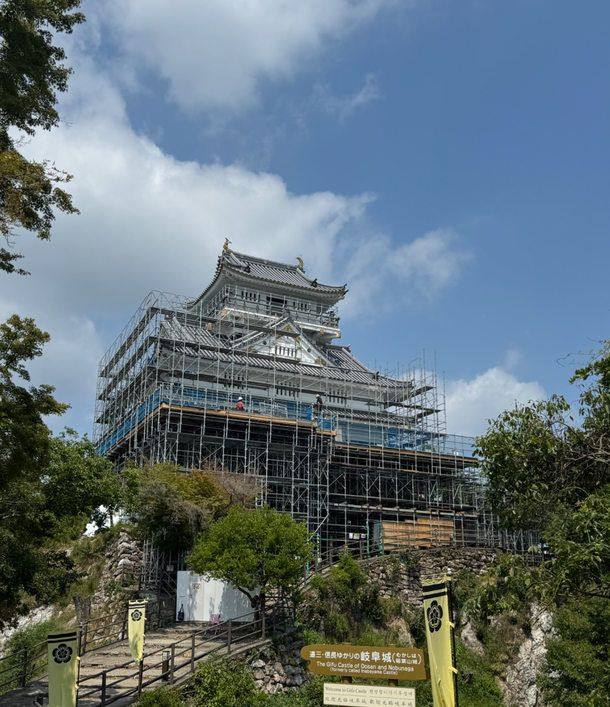
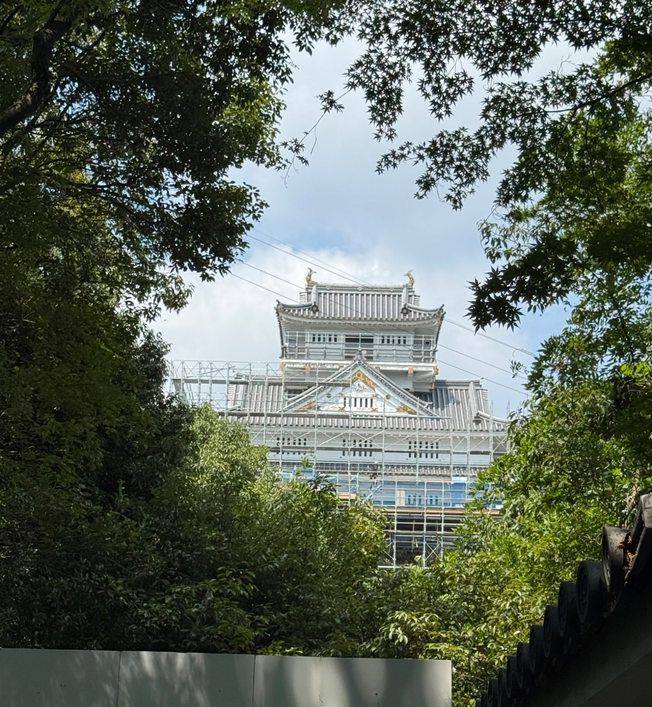
After defeating the Saitō in 1567, Nobunaga renamed Inabayama Castle and its town Gifu. The choice announced political ambitions beyond Owari. It also meant fresh obligations for a man who was simultaneously a commander, a father and the head of a house.
Nobunaga later entrusted his eldest son Nobutada with leadership of the Oda house. This was not merely an affectionate gesture: succession was a mechanism for holding together a growing political order. The military responsibilities Nobutada received tell us that his father judged him able to carry them.
The evidence offers far less about their private evenings or emotional intimacy. A father's trust in his son's competence is visible; what he said to him at dinner is not. The distinction between action and imagined feeling is central to knowing Nobunaga responsibly.
His other son Nobukatsu tested that authority in 1579 by undertaking a failed campaign into Iga without permission. Nobunaga's response, recorded as furious, exposed the tension between a father's demands and a son acting on his own. He could grant responsibility and withhold approval with frightening speed. 2,4
Azuchi, 1576–1582: the castle that outlived his plans
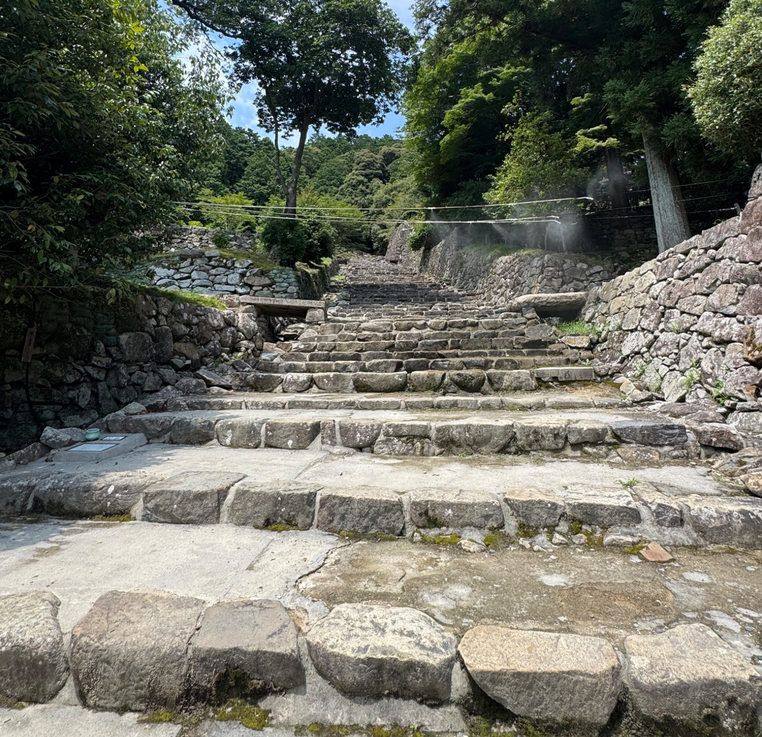
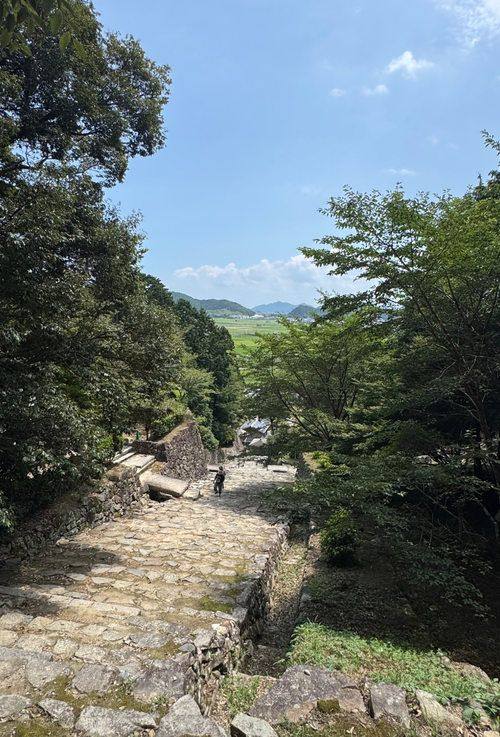
Nobunaga began building Azuchi Castle in 1576. By 1579, its extraordinary tower was finished and he moved into it. His residence was designed to be seen: a declaration of authority as much as a place to live.
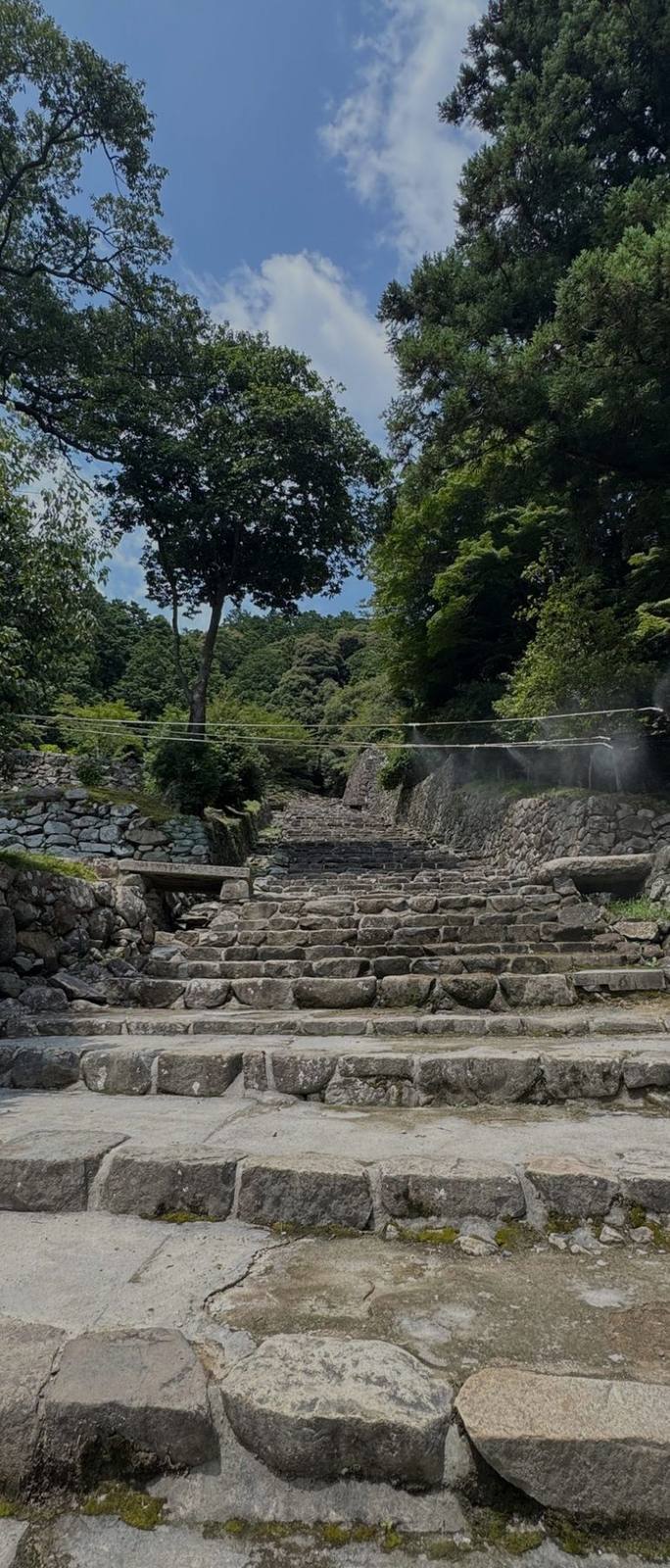
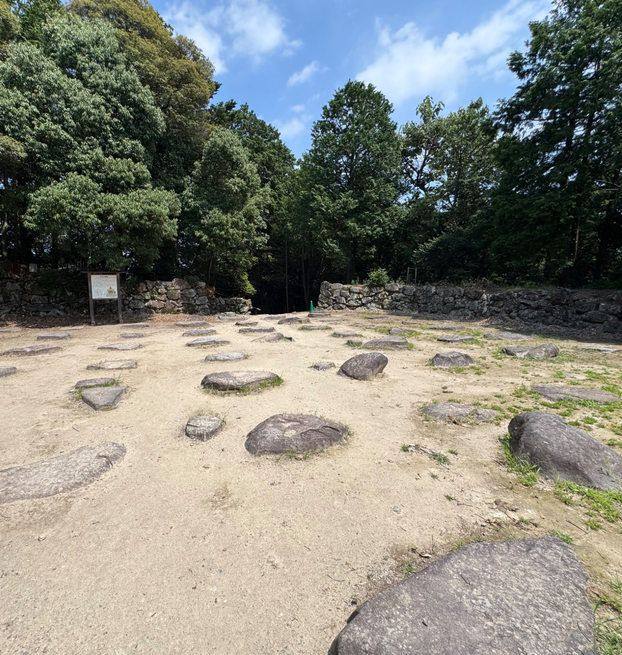
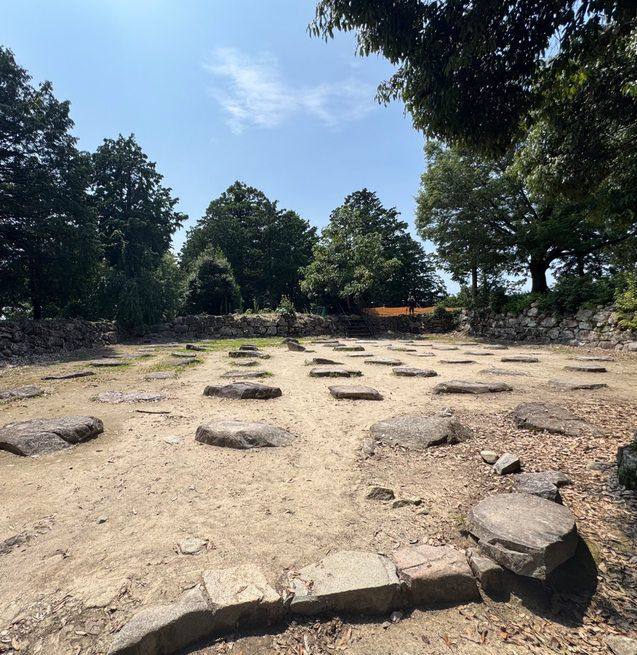
When I climbed the stone stairs, the most arresting thing was the absence above them. The keep had vanished. The buildings that once housed retainers and families were gone. I could see the scale of Nobunaga's ambition without knowing the sounds of an ordinary morning inside it.
A castle can reveal a ruler's priorities, but not his entire personality. Azuchi offers physical evidence of his desire to project power. The surviving letters and narratives are needed to ask what he was like with individual people. 3
His household was not a kingdom of one
A historical biography often reduces a ruling family to marriages and inheritances. But Nobunaga's relatives were people before they were political instruments. His sister Oichi married Azai Nagamasa, and when Nagamasa turned against Nobunaga, the two family households became enemies. Oichi and her daughters survived the Azai defeat in 1573; Nagamasa died.
How did she regard her brother afterward? The evidence does not let us know. Grief, gratitude and resentment are all conceivable, but possibility is not proof. Nobunaga's marriage to Kichō, often called Nōhime, is similarly difficult to reconstruct beyond political context. The silence of these women's own voices should not be filled with invented intimacy.
We can recognize the human cost without pretending to hear conversations lost five centuries ago. 4
The man others encountered
Not one simple personality, but distinct experiences of the same lord.
The marriage letter
In a surviving letter to O-ne, Hideyoshi's wife, Nobunaga praised her, criticized her husband and advised restraint. He famously used an insulting nickname often translated as “bald rat” for Hideyoshi. A military lord had stepped into a household quarrel. 5
A young retainer
In 1577 Nobunaga personally acknowledged the battlefield success of the teenage Hosokawa Tadaoki. The surviving handwritten document is a rare direct trace of his recognition of another individual. Praise mattered in a world where favor could shape a life. 6
But favor and terror could exist within the same household. Ōta Gyūichi's Shinchō-kōki also records severe punishment of people in Nobunaga's service, including a troubling 1581 episode at Azuchi involving household attendants. His intervention on behalf of an impoverished stranger near Yamanaka appears in the same chronicle. Neither episode cancels the other.
This is not a request to forgive his violence. It is the more difficult work of understanding how a person could show attention toward particular individuals and impose devastating harm on others. The daimyō familiar from banners and battlefields was not outside humanity. He was a man whose ordinary capacities for care, pride, frustration and judgment became extraordinarily consequential because of power.
One more relationship resists easy caricature: Shibata Katsuie fought on the opposing side in the struggle with Nobunaga's younger brother, yet was spared and later served as one of the Oda house's most important commanders. Nobunaga could punish former allies while bringing former enemies into positions of trust.
The question is not, “Was he good or evil?” It is, “What do different people's encounters with him actually reveal, and what do we still not know?”
4
Five residences. One unfinished life.
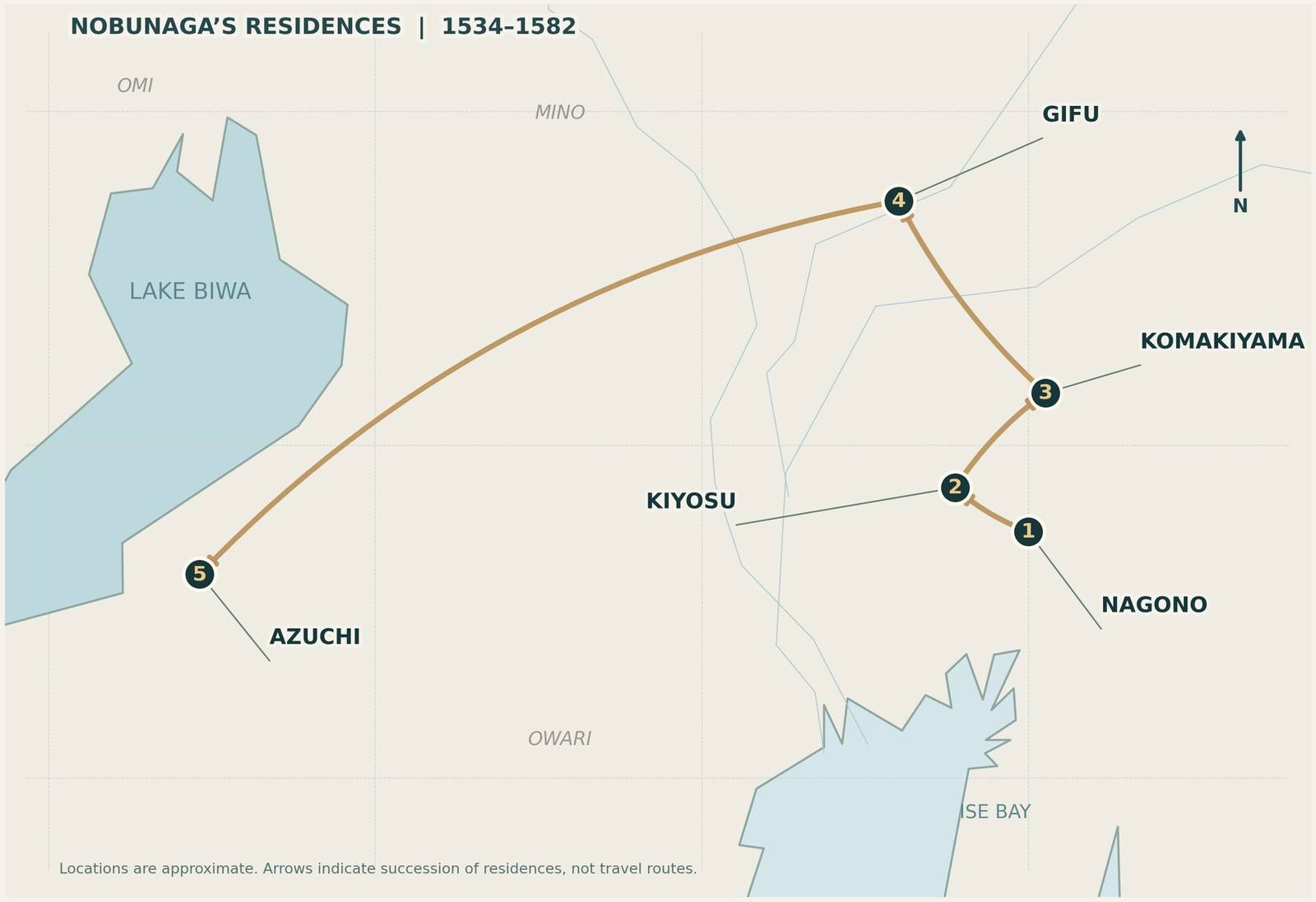
Nagono · before 1555
Youth.
Kiyosu · 1555–1563
Okehazama.
Komaki · 1563–1567
The advance into Mino.
Gifu · 1567–1576
Tenka fubu.
Azuchi · 1576–1582
Final residence.
What remains of the man
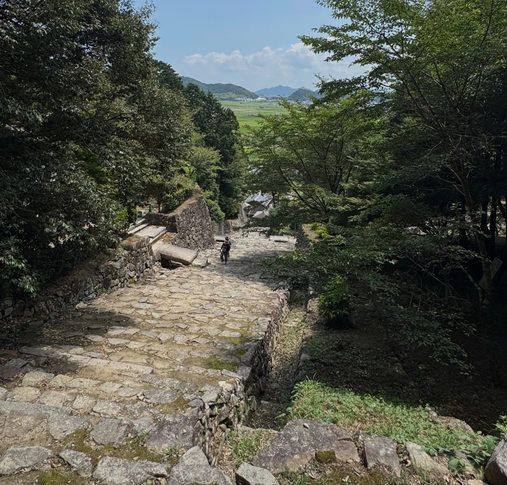
Standing at Azuchi, I saw the road to a vanished tower. The foundations could tell me where power had been built, but they could not tell me whether Nobunaga laughed easily, consoled his children, or regretted his decisions.
His letters and the people around him bring us closer. A mother pleading for a son. A wife receiving unexpected advice. A young retainer winning personal praise. A sister surviving the ruin of her married household.
These were not separate Nobunagas. They were different encounters with the same person. Humanization does not excuse his brutality; it refuses to turn him into a convenient abstraction.
Sources and notes
All castle-site photographs: Kagemori field archive. The 1583 historical portrait is a cropped public-domain reproduction; its original is held by Kobe City Museum. No AI-generated portrait appears in this piece. Captions distinguish modern reconstructions from archaeological remains.
- 1Komaki City, Komakiyama history and residence timeline (city.komaki.aichi.jp).
- 2Nagoya Castle, official historical chronology (nagoyajo.city.nagoya.jp).
- 3Shiga Prefecture, Azuchi Castle historical research (pref.shiga.lg.jp).
- 4Ōta Gyūichi, Shinchō-kōki, the near-contemporary chronicle; read critically.
- 5Nobunaga letter to O-ne, Tokugawa Art Museum exhibition commentary (tokugawa-shiro.com/1063).
- 6Nobunaga handwritten letter to Hosokawa Tadaoki, Cultural Heritage Online (197566).
- 7Kobe City Museum, Portrait of Oda Nobunaga (1583), Important Cultural Property; painter unknown.
- 8Historical-image reproduction: Wikimedia Commons, Portrait of Oda Nobunaga (Hideyoshi Kiyomasa Memorial Hall), cropped; based on the Kobe City Museum memorial portrait.
See it in person
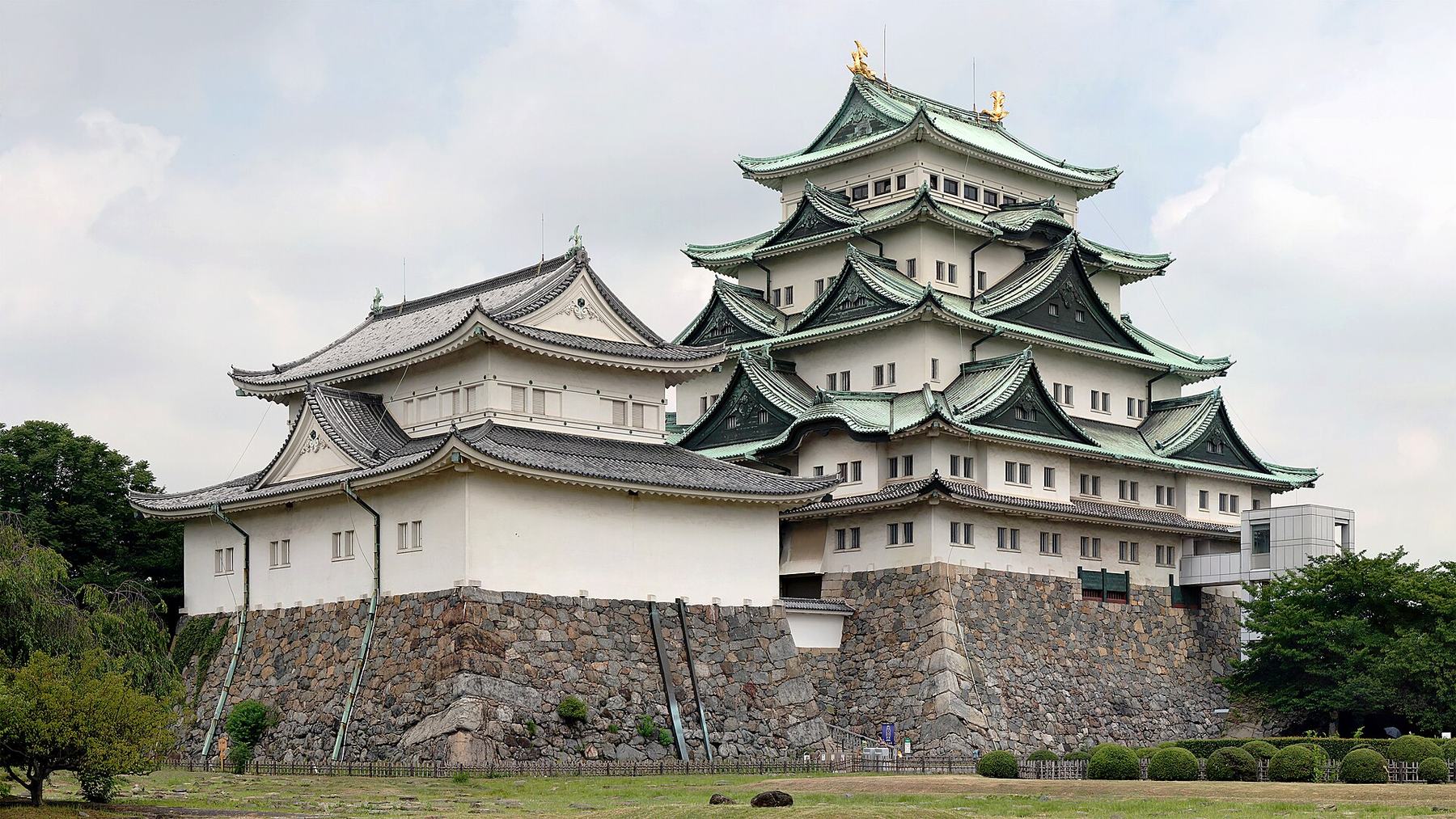
Photo: Samuel Louie, via Wikimedia Commons
Nagoya, Aichi
Nagoya Castle Historical Experience
A detailed exploration of Nagoya Castle: its architecture, its Tokugawa history, its political purpose, and the stories surrounding its construction.
- Duration
- Approximately 4–5 hours
Next in the Journal
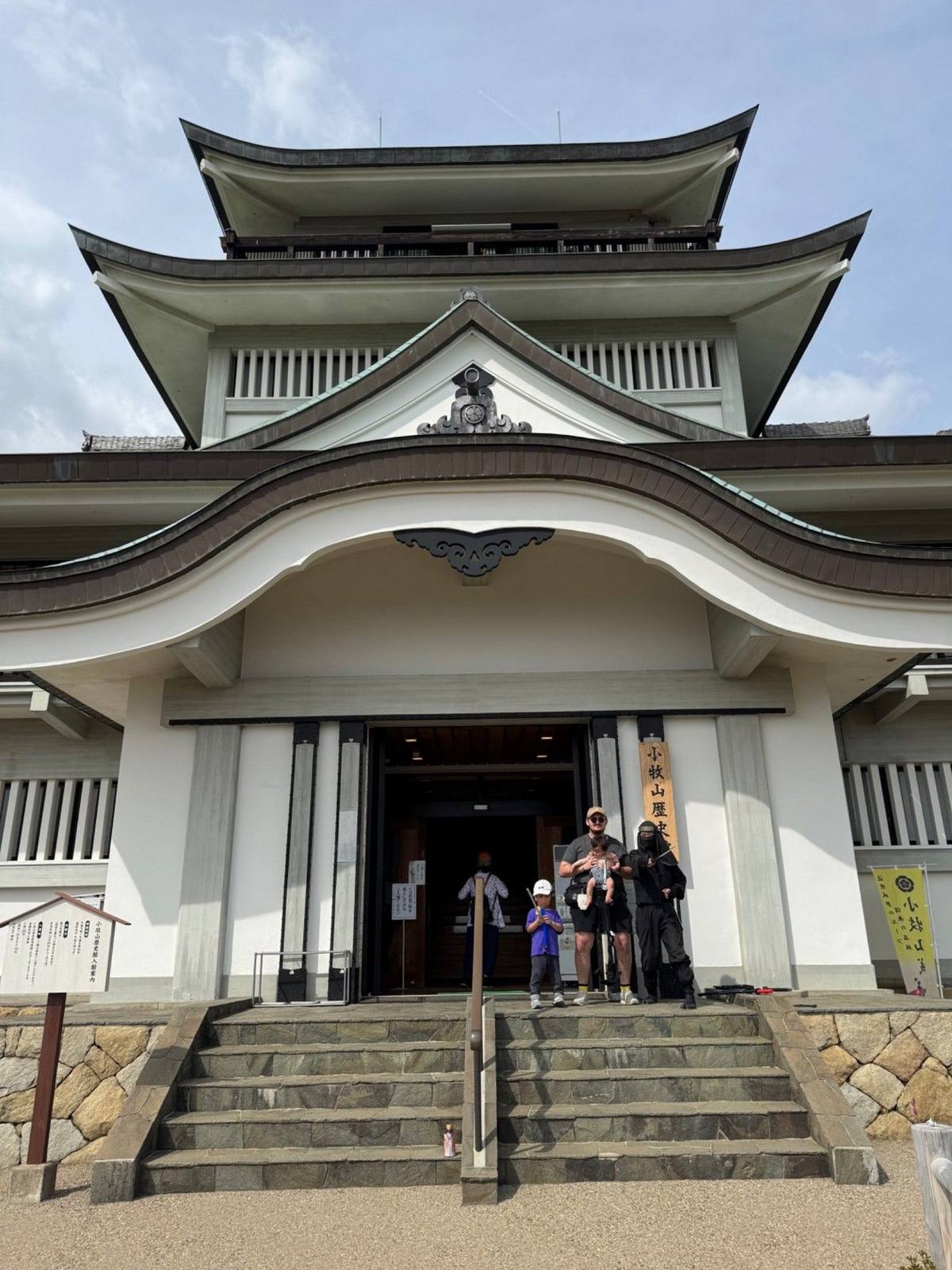
Castles1563 – 1584
Before AzuchiKomakiyama Castle and the Evolution of Oda Nobunaga's Political Landscape
A field-based history essay on Komakiyama Castle, the missing Gifu stage, and the changing political architecture of Oda Nobunaga.
11 min read